
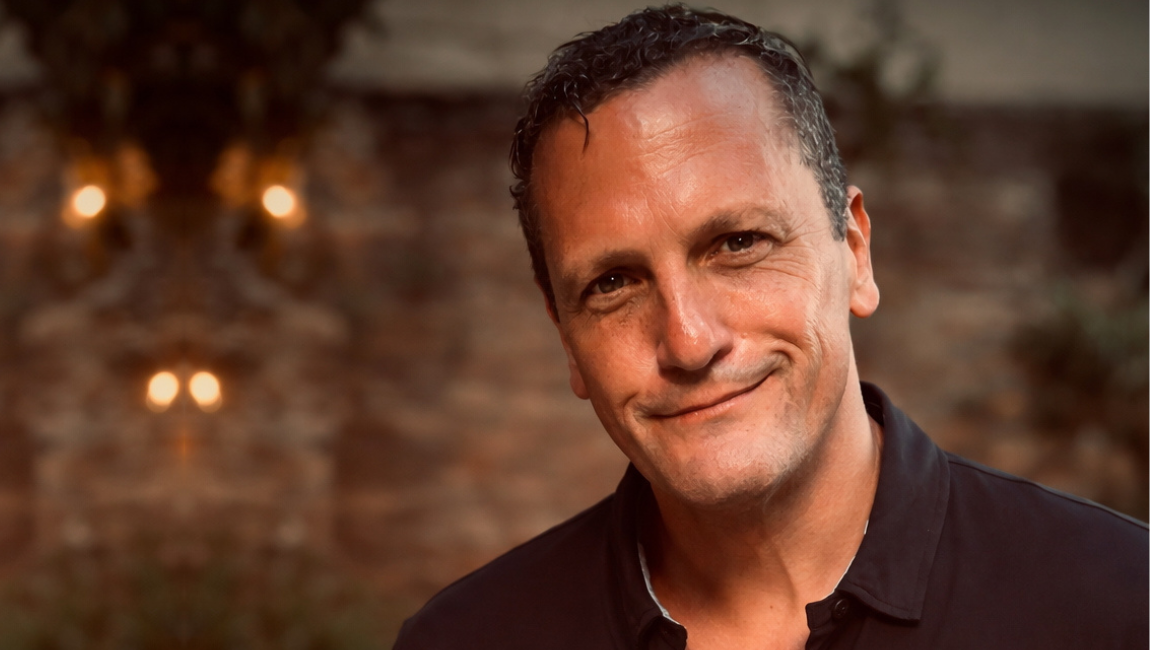
For a certain kind of action movie fan, DTV action has long been where the real hidden gems lie. From the long-touted Universal Soldier: Day of Reckoning to the entire oeuvre of guys like Jesse V. Johnson or Isaac Florentine, there’s a now decades-long history of the West’s best action coming from a low-budget environment. One name that’s long been a favorite of action die-hards is William Kaufman.
Since Prodigy in 2005, Kaufman has been a force within the genre. It’s not that he’s just a good director; there are plenty of guys who know how to use a camera and stretch their budgets. Kaufman stands out because of his tactical action. Forget only DTV-specific action — outside of Michael Mann, there are few filmmakers as good as Kaufman when it comes to authentic gunplay. From the sound design to the way the actors move within the frame, Kaufman’s action feels and looks as authentic as it gets.
As his career has grown, Kaufman’s films have gotten better and better. 2010’s Sinners & Saints was an immediate standout in the crime genre. 2016’s vampire film Daylight’s End showed what Kaufman could do by mixing horror with action. 2023’s The Channel (Kaufman’s best) drew favorable comparisons to Heat with its sprawling cops-and-robbers saga. In his latest, Man of War, Kaufman takes on the Ukraine/Russia war to terrific results.
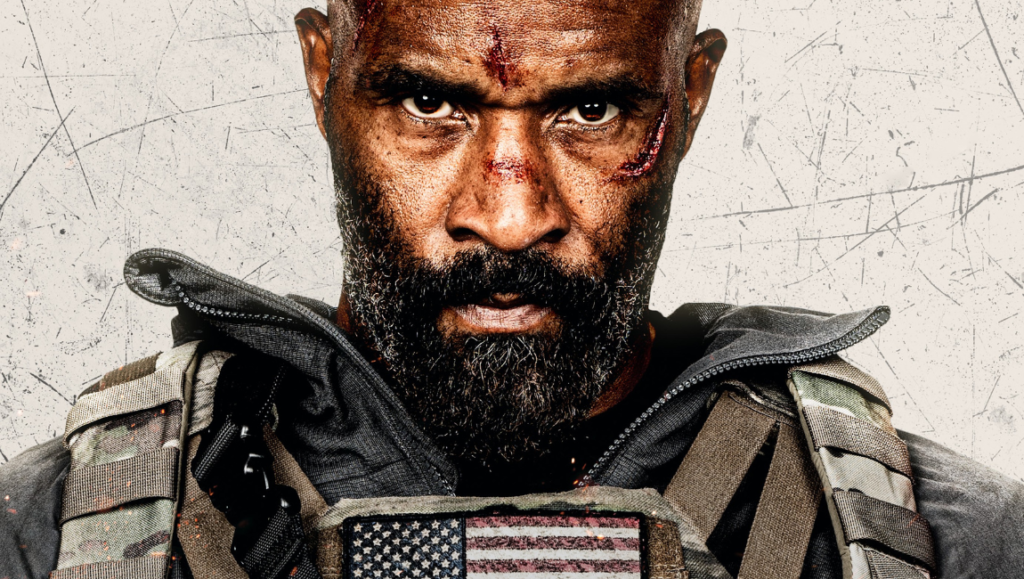
After his adopted daughter is taken hostage by Russian mercenaries while in Ukraine, Special Forces soldier Connor (LaMonica Garrett) is thrown into the war to save her life. With his only goal being to save his daughter, Connor finds himself pulled further into combat as the realities of the war seep into his mission, thanks to his guide, Dany (Andrew Howard). Combining gripping character drama and Kaufman’s trademark excellent action, Man of War is one of the better and more lucid military films in recent years. Not many war films can boast a killer fight between Garrett and action legend Daniel Bernhardt, and a clear-eyed view of American imperialism and where that money goes. It’s another strong entry into Kaufman’s ever-growing canon.
Ahead of its release, I sat down with Kaufman to discuss what goes into making great tactical action, Michael Mann, and how he’s learned to stretch a budget.
Brandon Streussnig: Walk me through your approach to tactical action. So many people try it, and few make it look as realistic as you do.
William Kaufman: I really lean hard on the people who’ve actually done it. I have producers who back me up even on much more moderate-budget movies. They support me in getting the right tactical advisor involved. Having tier-one guys who can make sure we do it properly. We want to try to deliver it as authentically as we can.
BS: With that authenticity comes different kinds of tactical action. Sometimes you have guys who might not be expert tacticians engaging in shootouts, other times you have military-trained protagonists like in Man of War or The Channel. What’s the difference there?
WK: I think there’s a huge amount of crossover because even our tactical advisor, Max Kraus in Bulgaria, a lot of his stuff is very similar to my collaborations with Scott Phillips and his SEAL team guys. One of the challenges here is that we have a big cast. So when we get into these gunfights, it’s really important for me to hold on to the geography so the audience isn’t just lost in a bunch of close-ups, which is much easier to shoot under a tight timeframe. I think it’s really important for the audience to know where people are in the gunfight to have any sense of danger to it. It’s about making it a reality that in every gunfight somebody’s dying. There’s a cost to everything that happens. That’s what the idols I look up to, like Michael Mann, did. I just try to hang on to that.
BS: Mann, of course, is the apex for tactical gunfights in film, so was it he who drew you to action filmmaking? Was that always the lane you wanted to go down as a filmmaker?
WK: When I was younger, I wanted to be James Cameron or Spielberg. I still wouldn’t mind being those guys, but Michael Mann taught me you could hide a character study within an action film. If you’re not invested in the characters, and this is what Mann has done a great job of, it’s just a stunt show, so the danger doesn’t have any value. That’s something that I definitely try to do. When I saw Heat, even before that, Manhunter, Thief, these are the films that I saw where you could do a genre film, but also build character. As I matured, that was the avenue I wanted to go down.
BS: You always work with great leads, guys who are really good at selling the action and the character study. Johnny Strong and Max Martini have been great in your past films. What drew you to LaMonica Garrett?
WK: LaMonica is a stud. I discovered him watching 1883. He’s one of Taylor Sheridan’s guys. He was in Lioness. He’s in the Terminal List. I really just wanted to work with him. We worked together on Osiris first. He’s just an amazing human being. He’s great at the action, of course, but he also has the heart and depth to tell a real story with some emotion. We’ve become really good friends, and we’re going to just keep working together.
BS: When you’re working with these guys, how long is that training process to make sure all of this comes across as authentic?
WK: It all comes down to budget. It’s usually at least two weeks. A lot of these guys like Lamonica, Linds Edwards, and Daniel Bernhardt have worked at the highest level, and they’ve had a lot of that tac advising, but I’m still bringing someone in because there are different weapon levels. I think it’s really important for that stuff to look as authentic as possible. So they have to learn what they need to do within the film. Tac reloads, moving and covering as a team, that’s the detail that we try to focus on.
BS: You mentioned Daniel Bernhardt. He’s a guy I’ve interviewed a few times, and he’s just so great. I feel like when you cast someone like him, you have a built-in expectation with the audience that he’s going to get to let loose at some point. You really don’t let us down when it comes to that.
WK: 100 percent. He is the 87Eleven guy. He’s been in everything from Atomic Blonde to Extraction II. He’s done it all and, as I said about other guys, worked at the highest levels. So yes, it was very critical that he get to show off what he could do really well, and he’s not just a punching bag. He definitely deals it out. Our second unit director, Stani Stamatov, led the charge on that with Radoslav Parvanov, our fight choreographer. I was super pleased with how that went down. It was a tough sequence, but it worked out well.
BS: Your work is interesting because, with The Channel and now this, you cast a critical eye on institutions. There’s the whole bit in this one about how American tax dollars are going directly toward the destruction of another people and place. Is that part of building out the character study within the action?
WK: This script, the war setting, it’s a story about the people. We’re not trying to make any kind of statement. We’re trying to tell a story about our two protagonists. About what anyone would do for the family that they love, and the lengths and extremes they’ll go to, and how much it costs them. I had two amazing actors. Yes, of course, Lamonica looks like the Terminator, but he’s a very engaging actor, and Andrew Howard was the heart of our story. He plays his partner in crime on this. Across the board, we had a really amazing cast. That’s a secret in a genre film: more legit actors who have real depth, not just strong and silent. I think that’s really important.
BS: How do you stretch your budgets? I think it’s remarkable that your films look as good as they do on the budgets you’re given.
WK: I surround myself with really, really smart people who are passionate about making a good film. That’s the thing, you have to have a team and a cast who are all trying to make the same movie. I’m not a novelist or an artist painting a painting or writing a book. There’s an army of us. I have learned over time to do things faster and more efficiently because I had some tough experiences early on that really underscored the importance of being incredibly prepared.
In my first film, we had to do a lot by hook or by crook. Then, I worked on a studio picture, and the pressure to make your day became such a good lesson for me. You’re trying to hang on to creative, so if you’re not going to get to edit the film, you want to make sure you give them what you want. It’s a brutal job. It’s a tough day. So just trying to make sure that you’re as efficient as possible, you’re not burning out actors, and you know when to say, “yes, I got it.” That’s one of the greatest challenges, when a beginning filmmaker crosses over into the next level.
BS: You mentioned wanting to be like Cameron or Spielberg earlier. I know you’ve mixed other genres into your action films over the years, but is there anything you’re still eager to try?
WK: I’ve done a bit. I’ve done apocalypse, I’ve done sci-fi and a lot of other things. Action is my niche, and so it’s something I’m really passionate about, and I think I’m good at. Beyond that, it’s all about what opportunity presents itself. If there were an amazing drama with thriller elements, I’d be down for that. Yeah, of course. It’s just finding the right material and the funding that goes behind it.
BS: I have to ask as we end here: I’m a huge fan of wrestling, and I love the Marine films you did, and that were later carried over by James Nunn. That story arc that you started for The Miz is genuinely great. What was it like working with him?
WK: Mike the Miz! He’s awesome. He’s as good as it gets for a director, super easy. He’s the first one there, the last one to leave, and is up for anything. So I think that it was a great experience, and we feel that we made as good a film as anyone could within the resources and limitations we had. We’re pretty proud of that one. That one did well.
Comments are closed.